

Valley of Flowers Trek is one of the most iconic experiences in the Indian Himalayas. Located at an altitude of around 3650 to 3720 meters, this UNESCO World Heritage Site transforms into a living carpet of blossoms during monsoon. The moment you step into the valley, the scenery feels straight out of a dream bright flowers, drifting clouds, calm streams and snow tipped peaks standing tall around you.
The trail begins from Govindghat, moves through peaceful forests and wooden bridges, and ends at Ghangaria, the base for both Valley of Flowers and Hemkund Sahib. The route is gentle, beginner friendly and perfect for nature lovers, families and slow travelers. The best part is how the valley changes colors every week. Blue poppies, primulas, orchids, Brahma Kamal and hundreds of alpine species cover the land in patterns you will never forget.
Walking through this valley feels refreshing. The air smells of wet grass, flowers brush against your legs and the mountains create a huge natural amphitheater around you. It is the kind of trek that heals your mind and fills your camera with photos you’ll love forever.
Highlights of Valley of Flowers Trek:
• Explore a UNESCO Heritage Site filled with rare Himalayan flora
• Beginner friendly trek suitable for families and first timers
• Meadows filled with blue poppies, primulas and Himalayan orchids
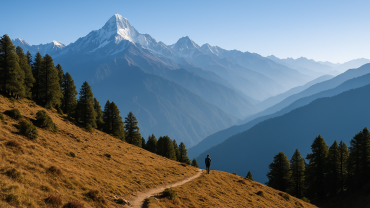
• Stunning snow capped peaks surrounding the valley
• Scenic forest walk from Pulna to Ghangaria
• Visit Hemkund Sahib Lake at high altitude
• Perfect monsoon trek with vibrant colors and clouds
• A photographer’s dream with weekly color changes
Best Time to Visit Valley of Flowers
July to September
This is the only time when the flowers bloom.
• July: fresh monsoon flowers
• August: peak bloom with maximum species
• September: clear skies and stable weather
Avoid winter and early summer because the valley stays completely snow-covered.
Why You Should Do This Trek
Valley of Flowers is peaceful, colorful and perfect for anyone who wants a gentle Himalayan experience. It is not a tough trek and does not require high-altitude experience. The beauty is unmatched and the biodiversity is rare. The calm meadows, bright flowers and cool mountain atmosphere make this trek ideal for nature lovers, solo travellers, beginners and photographers.
Packing Checklist
Clothing
• Rain jacket or poncho
• Warm fleece
• Two trek pants
• Three trek t shirts
• Thermals (optional)
• Woolen cap and gloves
Footwear
• Trekking shoes
• Extra socks
• Lightweight slippers
Gear
• Backpack
• Water bottle
• Trek poles
• Headlamp
• Camera or phone
Toiletries
• Sunscreen
• Hand sanitizer
• Wet wipes
• Basic medicines
Travel Guide from Rishikesh
Rishikesh to Joshimath (9 to 10 hours)
Take a bus or shared taxi early morning. The route passes through Devprayag, Rudraprayag and Karnaprayag.
Joshimath to Govindghat (1 hour)
Short scenic drive along the Alaknanda River.
Govindghat to Pulna (20 minutes)
Local jeep ride with fixed fare.
Pulna to Ghangaria (8 to 10 km trek)
A well paved trail with food stalls along the way.
Comment (0)