from 0 review
7 Days 6 Nights
Daily Tour
20 people
___
Roopkund Trek is one of the most mysterious and unforgettable Himalayan trails in Uttarakhand. I have walked this route multiple times, and every time it feels powerful, raw and intense. The trek starts from Lohajung and slowly climbs through dense oak and rhododendron forests, alpine meadows and high altitude ridges before reaching the glacial lake of Roopkund, sitting at around ~16,500 feet.
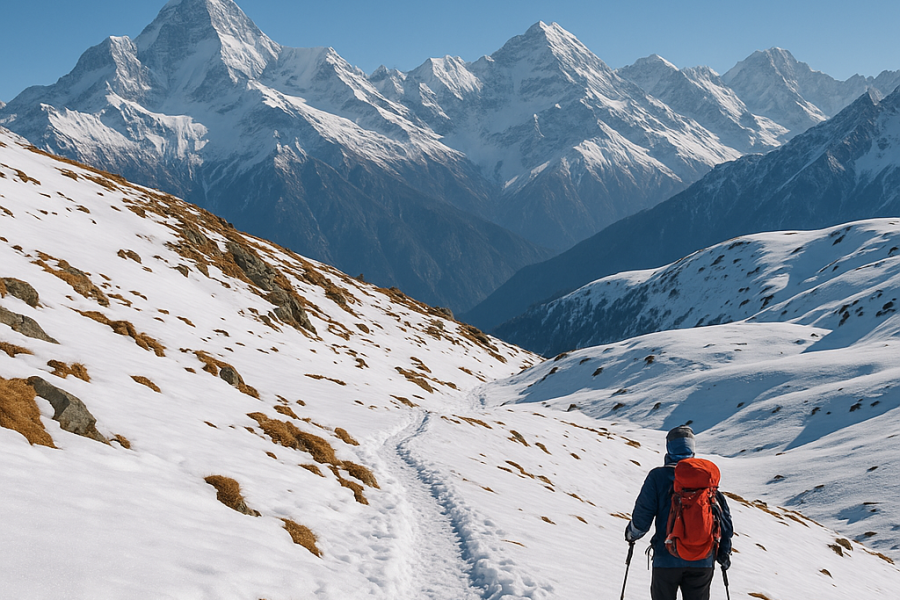
The early part of the trail feels calm and scenic. You pass through villages, forest camps and wide meadows like Ali Bugyal and Bedni Bugyal, which are some of the largest alpine grasslands in India. As you gain altitude, the landscape changes fast. Trees disappear, the air gets thinner and the mountains start dominating the horizon. Trishul and Nanda Ghunti stay constantly in view.
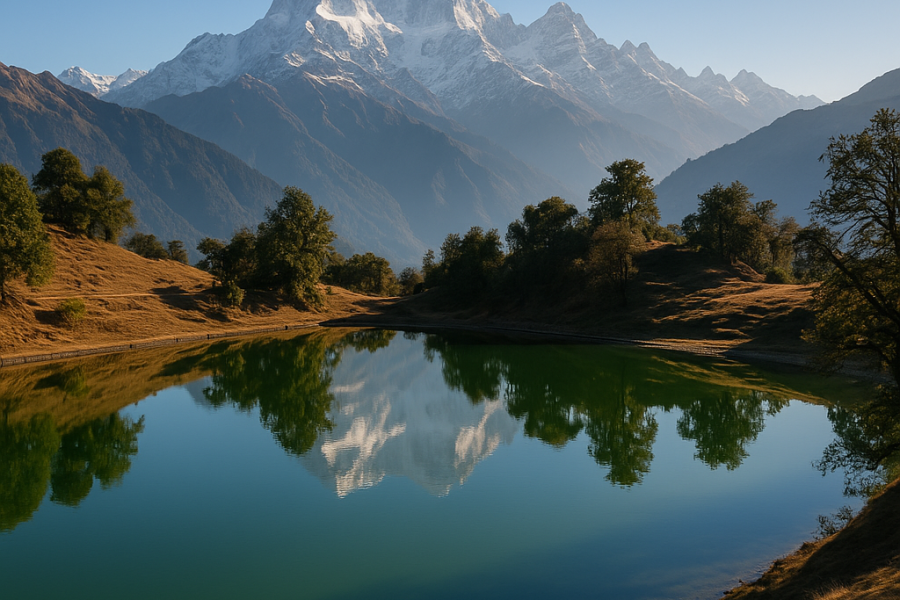
Roopkund itself is a small glacial lake surrounded by rock walls and snowfields. What makes it unique are the ancient human skeletons scattered around the lake, visible when the snow melts. Standing there feels humbling and eerie. The silence is deep and the place carries a strong sense of history.
Roopkund is not an easy trek. It demands good fitness, mental strength and respect for altitude. But for trekkers seeking adventure, mystery and serious Himalayan terrain, Roopkund remains one of the most iconic journeys in India.
• Roopkund is not a beginner trek
• Prior high altitude experience is mandatory
• Weather windows are short and unpredictable
• Acclimatization days are critical
• This route should never be rushed
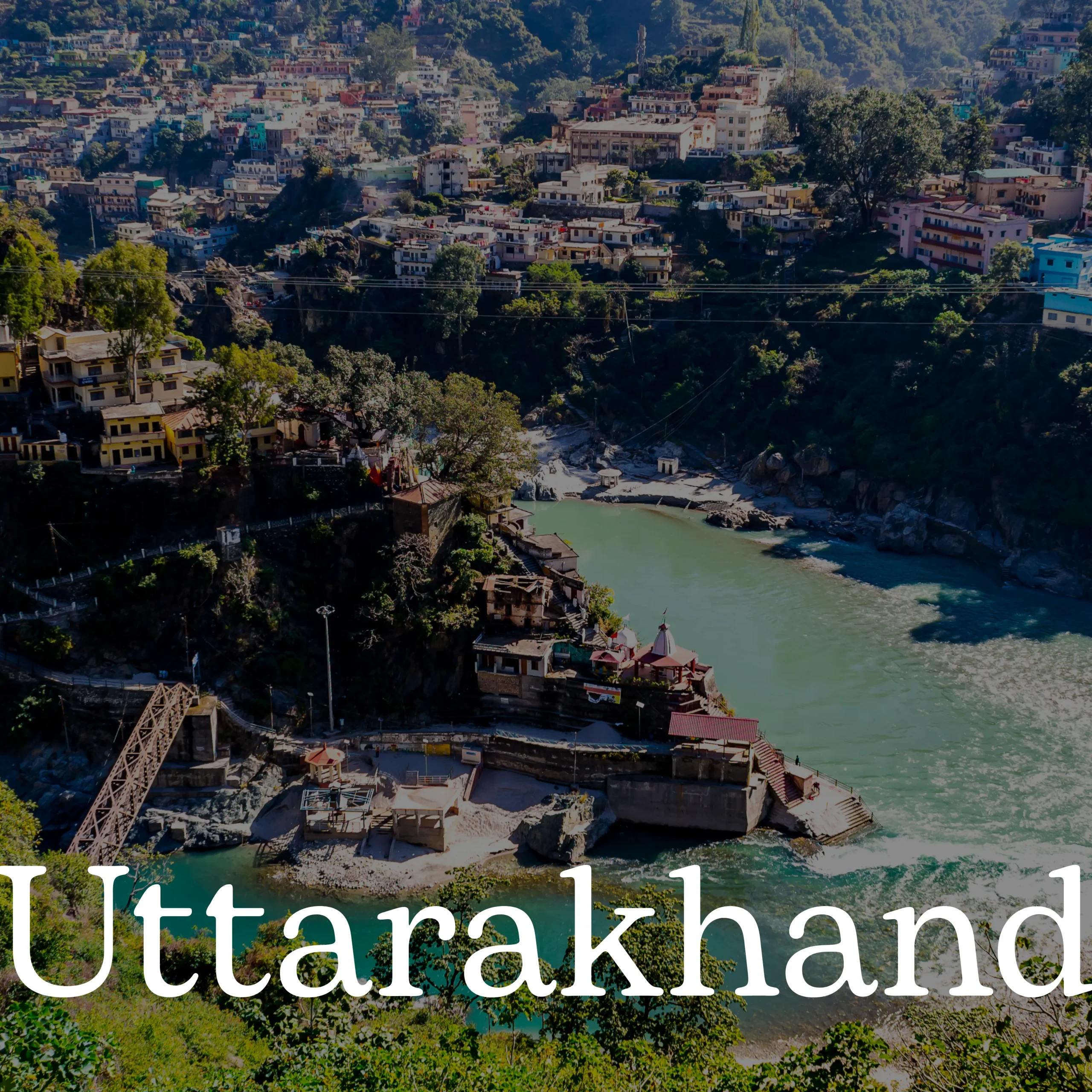
Reach Lohajung by evening and settle into a guesthouse. This day is important for rest and acclimatization. Explore the village, hydrate well and meet your trek leader for a detailed briefing. The surrounding views of Nanda Ghunti help your body slowly adjust to altitude.
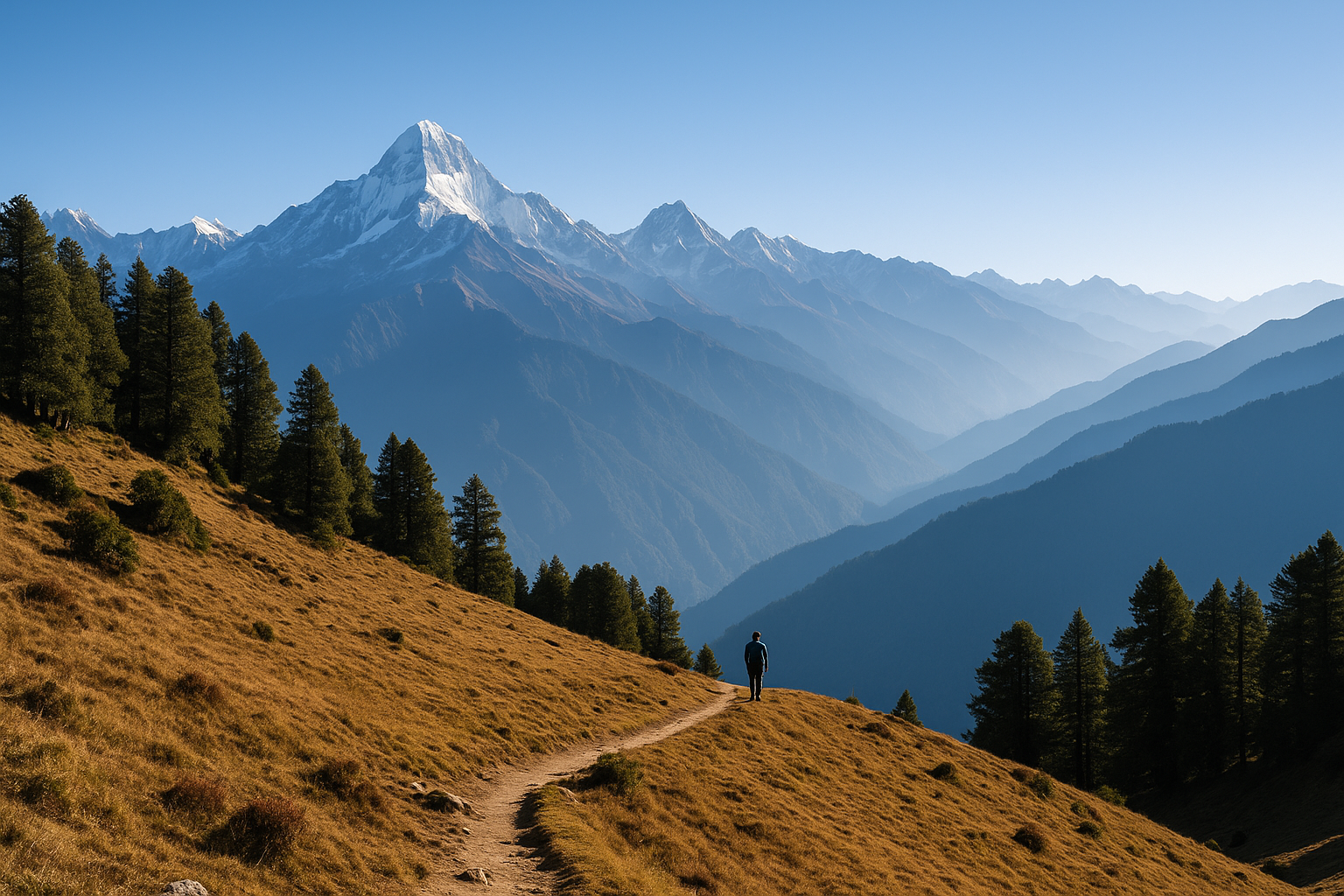
Drive from Lohajung to Wan village, the traditional base of Roopkund. Begin trekking through mixed oak and rhododendron forest. The climb is steady and shaded. Ghairoli Patal is a quiet forest campsite that allows proper acclimatization. Evenings here are calm and cold, ideal for resting.
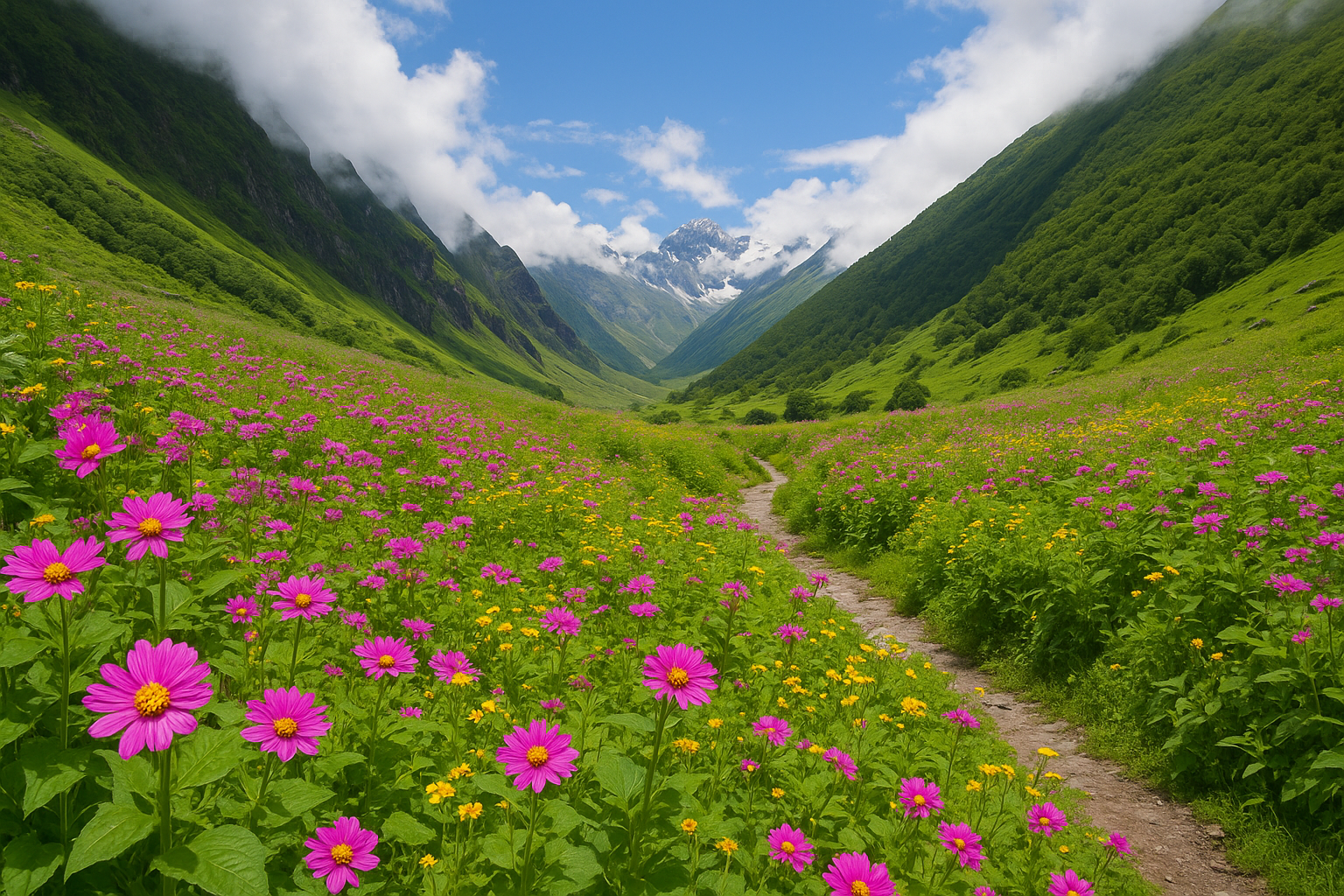
Climb steadily through forest until the trail suddenly opens into Ali Bugyal, one of the largest alpine meadows in India. The landscape feels vast and open. Trishul and Nanda Ghunti start appearing clearly. Camp near the meadow edge to protect the grassland and avoid strong winds.
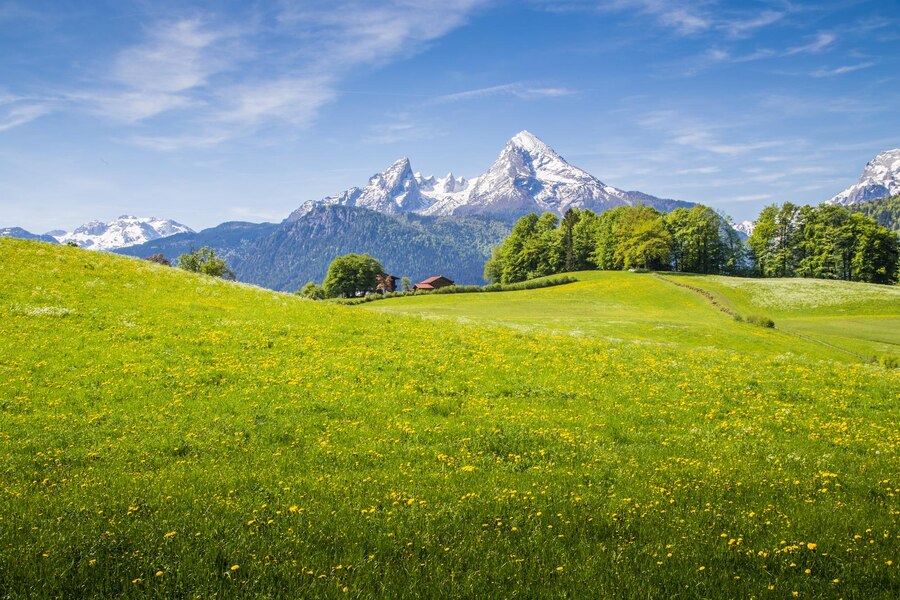
A relatively short but scenic walk across rolling alpine grasslands. The trail stays mostly flat, allowing the body to recover while gaining altitude slowly. Visit Bedni Kund in the evening. Bedni Bugyal is sacred and offers some of the best sunset views of Trishul. The terrain becomes tougher as vegetation thins out. The trail climbs over rocky sections with colder wind exposure. Patar Nachauni is a crucial acclimatization campsite. Nights are very cold here. Proper hydration, warm clothing and rest are essential before moving higher.
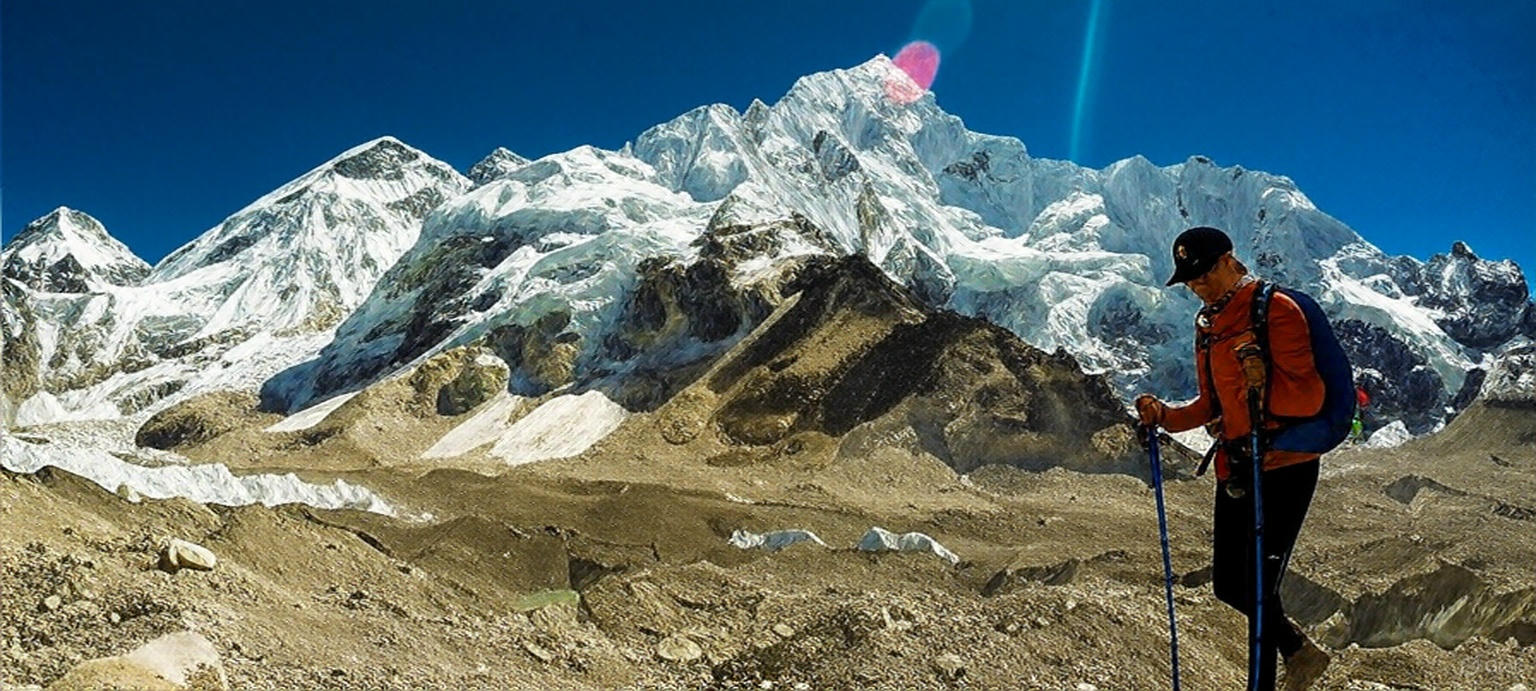
This is a demanding day with a steep ascent. Oxygen levels drop significantly. The landscape turns barren and glacial. Bhagwabasa is a harsh high altitude campsite with limited comfort. Weather changes quickly here. Early dinner and strict rest are necessary to prepare for summit day.
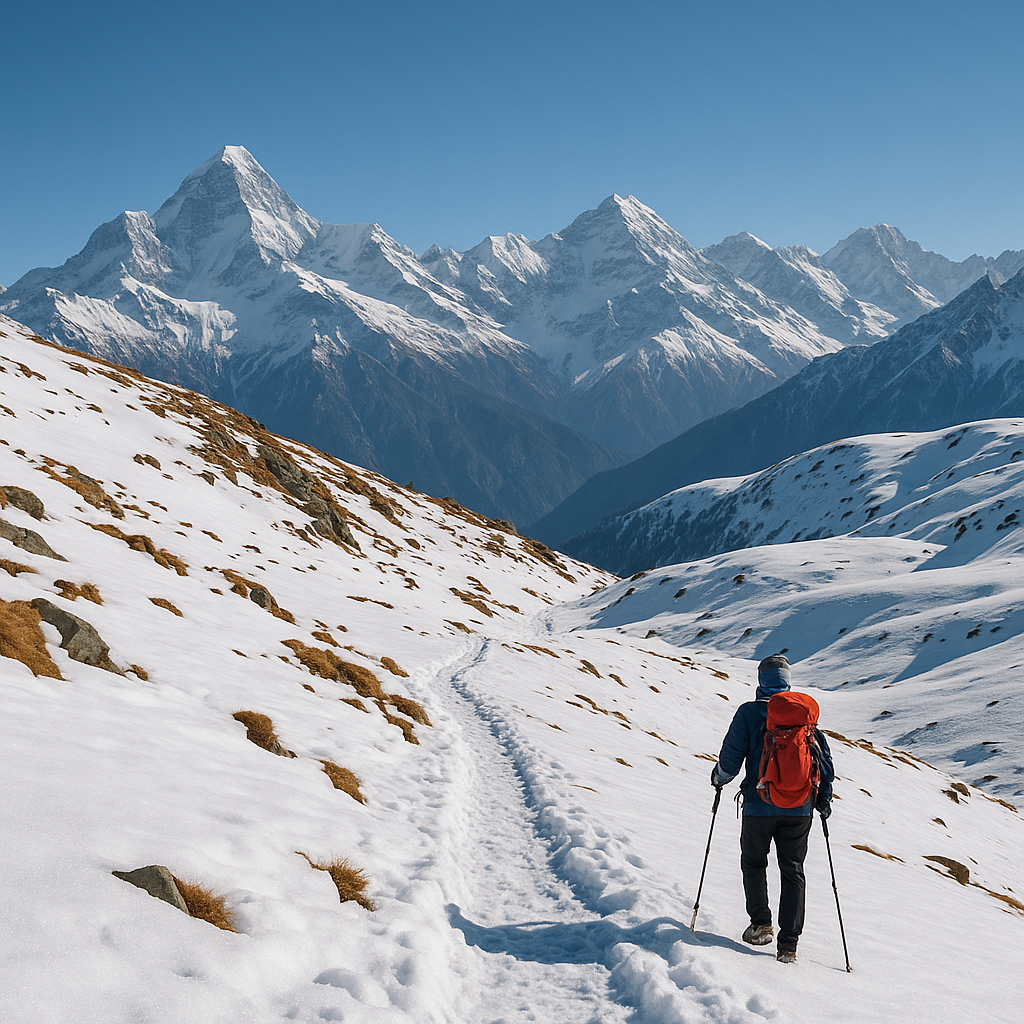
Start well before sunrise. The final climb is steep, cold and exhausting. Reach Roopkund Lake and spend limited time due to altitude. The skeleton remains around the lake are visible when snow recedes. Descend carefully back to Patar Nachauni. This is the toughest day of the trek.
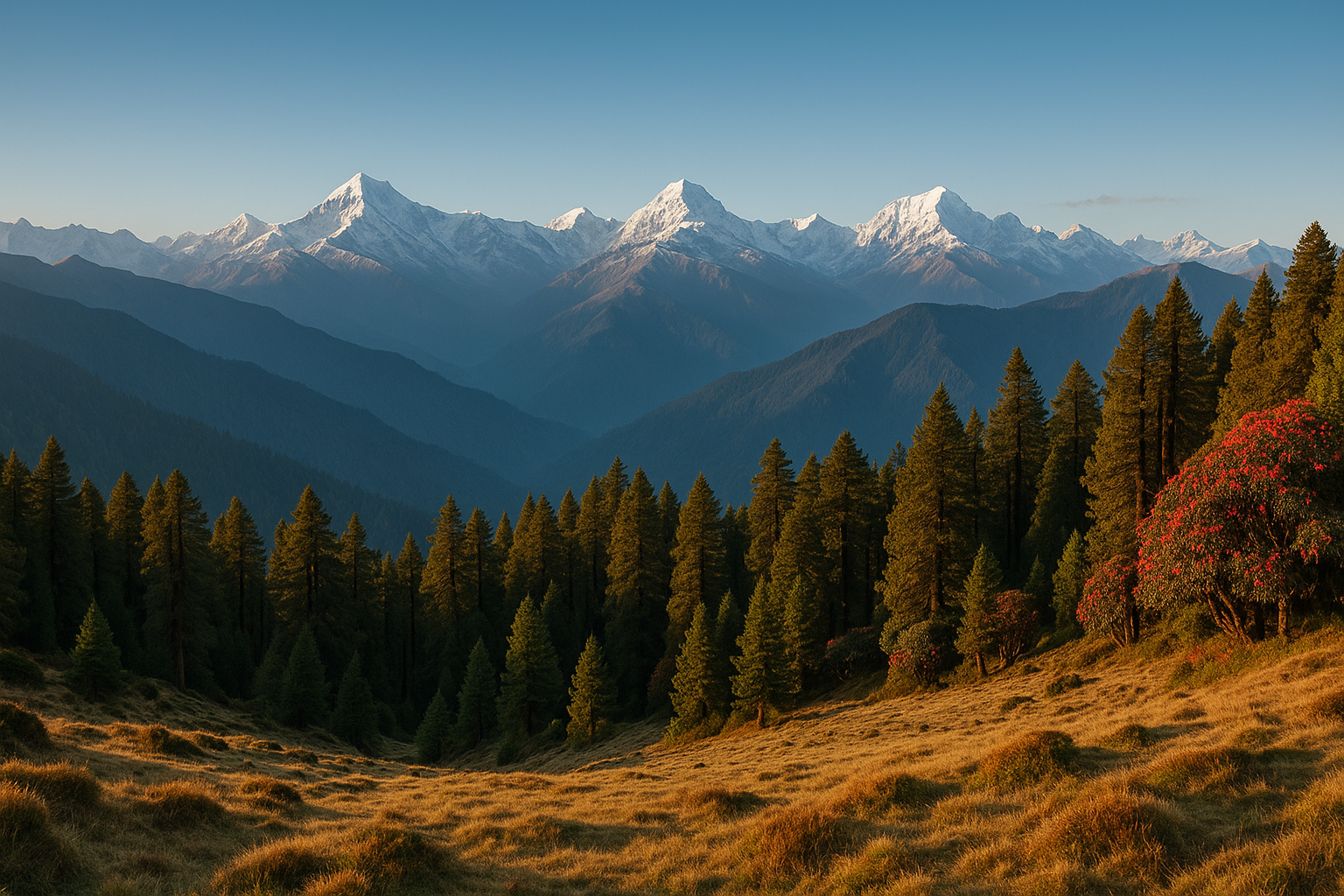
Descend back through Bedni Bugyal, Ali Bugyal and forest trails to Wan village. Drive back to Lohajung by evening. The trek ends with physical exhaustion but deep satisfaction and respect for the mountains.
Roopkund is a difficult trek and not suitable for beginners. The altitude crosses 5000 meters and the trail includes steep climbs, loose rocks and snow sections. Proper fitness, prior trekking experience and strong endurance are essential. The trek demands both physical strength and mental preparedness.
The Roopkund Trek has been restricted at times due to environmental concerns. Access rules can change depending on forest regulations. It is important to check current permissions before planning. Some routes may be partially open up to Bedni Bugyal, while access to the lake itself can be limited.
The best season is May to June and September to October. Summer offers clearer trails with remaining snow near the lake. Autumn provides stable weather and sharp mountain views. Monsoon is avoided due to landslides, and winter is extremely harsh and unsafe for this route.
Research suggests the skeletons belong to travelers from ancient times who likely died due to a sudden hailstorm or extreme weather. The cold preserved the remains for centuries. Seeing them around the lake makes the experience intense and reminds trekkers of the power of nature at high altitude.
Roopkund can be safe only with proper planning, experienced guides and good weather conditions. Altitude sickness is a real risk. Slow ascent, acclimatization and hydration are critical. This trek should never be attempted casually or without prior high altitude trekking experience.
Difficulty Level
High

verified Trek
100% Verified by MyLocalGuide

Member Since 2025
Kuari Pass Summit, F-2, Uttarakhand, India
Chandrashila Hike Homestay Saari, Deoria Tall, Ukhimath, Sari, Uttarakhand, India


Leave a review