from 0 review
4 Days 3Nights
Daily Tour
1 person
___
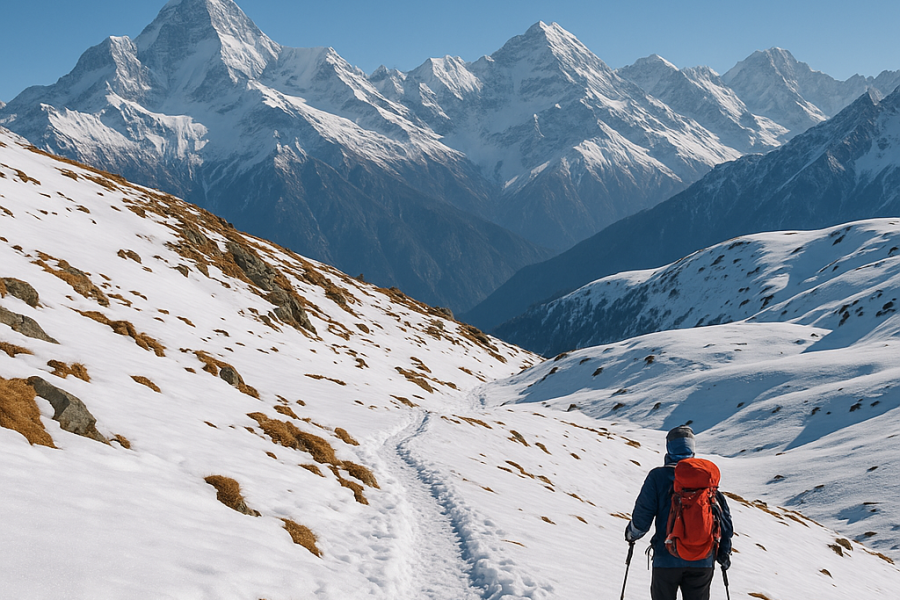
The Brahmatal Trek (12,250 ft) is a highly strategic choice for a winter expedition in Uttarakhand, especially for those seeking high-value visual returns
(Trishul and Nanda Ghunti views) without the extreme technical risks of higher-altitude passes like Roopkund or the overcrowding of Kedarkantha.
As a mechanical engineer and supply chain professional, you’ll appreciate the “efficiency” of this trek: it maximizes time above the treeline
(ridge walking) relative to the total duration.
| Feature | Status | Technical Details / Risk Flags |
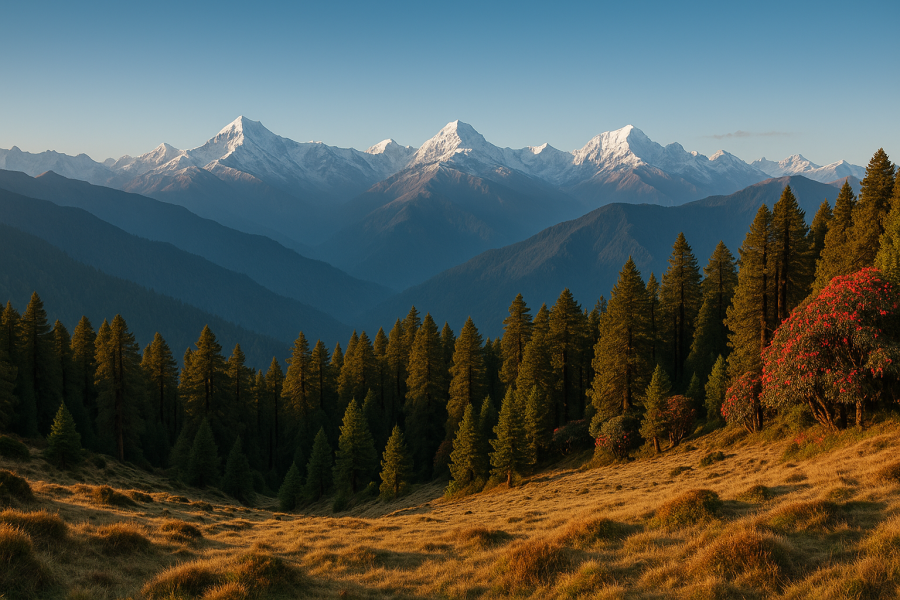
| Terrain | Ridge & Forest | Mixture of dense Oak/Rhododendron forests and exposed high-altitude ridges. |
| Max Altitude | 12,250 ft | Risk: Risk of Acute Mountain Sickness (AMS). Ensure a gradual ascent (Lohajung is at ~7,600 ft). |
| Temperature | Sub-zero | Night temps in Dec/Jan drop to -10°C to -15°C. Gear must be rated for these limits. |
| Equipment | Essential | Microspikes/Crampons are non-negotiable for the icy descent from Jhandi Top. |
| Logistics | Moderate | Base camp Lohajung is a 10-12 hour drive from Rishikesh/Kathgodam.
Road blockages due to snow are possible in peak Jan. |
The Ridge Walk Efficiency: Unlike the Kedarkantha summit, which is a single point of view, the Brahmatal ridge offers
nearly two full days of 360° visibility.
Mt. Trishul Proximity: You are physically closer to Mt. Trishul (7,120m) and Nanda Ghunti than on almost any
other beginner-friendly trek.
Dual Lake Experience: Provides a rare combination of forest lakes (Bekaltal) and high-altitude alpine lakes (Brahmatal),
both typically frozen in mid-winter.
Crowd Management: While “quieter” than Kedarkantha, the Dec 15–Jan 5 window is peak season. For true solitude, aim for the
third week of January or early February when snow is deeper but tourist volume drops.
Physical Preparation: Though “Beginner Friendly,” the summit day involves a steep ascent and a long descent (~8–10 km total).
Cardiovascular endurance (ability to jog 5km in 30 mins) is a recommended benchmark.
Infrastructure: Camping at 10,000+ ft in winter requires high-quality four-season tents. Verify that your trek operator
provides rated sleeping bags (at least -10°C comfort rating).
If you want something with even more “engineering” complexity or different views:
Kuari Pass: Offers better views of Mt. Nanda Devi but involves more forest walking compared to Brahmatal’s ridge.
Dayara Bugyal: Vast open meadows (Bugyals) that are technically easier but offer a “softer” landscape compared to the rugged Brahmatal ridge.
Medical Certificate: Mandatory for Uttarakhand forest permits.
ID Proof: Original Aadhar/Passport required for check-posts.
Buffer Day: Highly recommended to account for potential snow-induced road closures between Lohajung and Rishikesh.
Reach Lohajung village, check in to your homestay and meet the guide. Explore the village, rent gear if needed and rest.
Start trekking through dense oak and rhododendron forest. Snow appears as you gain height. Reach Bekaltal by afternoon. Visit the frozen lake and enjoy a peaceful forest campsite.
Climb through forest and open slopes until the trail opens to Brahmatal Lake. After exploring the frozen lake, continue towards the ridge for panoramic views of Trishul. Return to Brahmatal campsite for the night.
Trek back to Lohajung through the same route. Freshen up, have lunch and depart for onward travel.
Brahmatal offers everything people love about winter trekking deep snow, frozen lakes and massive mountain views. The trail stays accessible even in peak winter, which makes it perfect for beginners. Trekkers experience forest trails, ridge walks and a stunning frozen lake, all within a safe, well marked route.
The trek is easy to moderate and ideal for first timers. The trail has gradual inclines through forests and open snow slopes, but nothing technical. With basic fitness and good winter gear, trekkers complete the route comfortably. Snow can slow the pace, but the trail remains safe with a guide.
December to February is the best time for snow lovers. Winter transforms the trail into a bright white landscape with frozen lakes and crystal views. March offers softer snow and warmer days. Autumn is clear and peaceful, but winter is when the trek feels most magical.
Yes. Both Brahmatal and Bekaltal freeze completely during peak winter. The lakes turn solid white and the surroundings stay silent, creating a surreal atmosphere. Trekkers can explore around the lake, but walking directly on the ice is avoided for safety reasons.
Camps are not set directly beside the lakes to protect the ecosystem. Brahmatal campsite is set slightly below the lake on safe and flat ground. Trekkers visit the lake during the day and return to the campsite for the night. This keeps the area clean and environmentally safe.

100% Certified Local Guide
Assured

Member Since 2025
Kuari Pass Summit, F-2, Uttarakhand, India
Monal Top, Wan, Uttarakhand, India


Leave a review